Deep Water (CBL)

By William Douglas

Short Answer Type Questions

1. Why does the author recall his childhood experience at the YMCA pool?
Answer: The author recalls his near-drowning experience at the YMCA pool to highlight his lifelong fear of water and his eventual triumph over it. The incident marks a turning point, underscoring the deep psychological impact of trauma and the importance of confronting one's fears.

2. If you were asked to depict the pool incident as a graphic story, which details would you emphasize?
Answer: I would highlight the terror of being pushed into the pool, the vivid sensory descriptions of water suffocating the author, and the moment of near surrender. These elements would visually capture the intensity of his struggle and his ultimate determination to overcome fear.

3. How can William Douglas’s experience with overcoming fear inspire students today?
Answer: Douglas’s experience teaches students that fear is not insurmountable. By persistently working to overcome his fear of water, he demonstrates that resilience, practice, and determination can help individuals tackle even their deepest insecurities, a lesson applicable in academic and personal challenges.

4. How effective is William Douglas’s use of vivid imagery in describing his near-drowning experience?
Answer: Douglas’s vivid imagery effectively conveys his panic and helplessness during the near-drowning incident. His detailed sensory descriptions, such as “paralysis gripping my body,” allow readers to empathize with his ordeal, making the narrative emotionally powerful and relatable.

5. What role does the YMCA pool incident play in the overall narrative of Deep Water?
Answer: The YMCA pool incident is central to the narrative, as it establishes the author’s deep-seated fear of water. This pivotal episode motivates his eventual journey of overcoming the fear, symbolizing resilience and marking his personal transformation.

6. What can you infer about William Douglas’s personality based on his decision to conquer his fear of water?
Answer: Douglas demonstrates determination, courage, and a strong will to overcome adversity. Despite repeated failures and setbacks, he does not give up. His perseverance in conquering his fear shows a commitment to self-improvement and personal growth.

7. How does Douglas’s description of his struggle resonate with the universal human experience of facing fears?
Answer: Douglas’s struggle resonates universally as everyone faces fears that challenge their confidence. His description of panic, despair, and eventual triumph mirrors the emotional journey many experience when overcoming obstacles, making his story relatable and inspiring.

8. How did the swimming coach contribute to Douglas’s journey of overcoming his fear?
Answer: The swimming coach played a vital role by teaching Douglas swimming techniques in a systematic and supportive manner. His guidance helped Douglas regain confidence in the water and gradually build the skills and mindset needed to conquer his fear.

Long Answer Type Questions 

1. How does Deep Water convey the importance of persistence in overcoming personal fears? Relate it to a challenge faced by individuals in the modern world.

Answer:
In Deep Water, William Douglas illustrates how persistence and determination enabled him to overcome his crippling fear of water. Despite a terrifying childhood experience, he took deliberate steps to confront his fear by hiring a swimming coach and practicing consistently. His journey shows that courage is not the absence of fear but the resolve to face it repeatedly until it no longer dominates one’s life.

In today’s world, individuals face numerous challenges, such as public speaking anxiety, career setbacks, or adapting to technological changes. Douglas’s narrative is a reminder that success often requires perseverance and incremental progress. For example, someone afraid of public speaking might start by practicing in front of friends before addressing larger audiences. His story inspires readers to tackle challenges methodically, recognizing that persistence can transform fears into strengths, much like his triumph over water.

2. Evaluate the writing style of William Douglas in Deep Water. How does his use of vivid imagery and reflective tone enhance the narrative’s impact on readers? Connect this with its relevance to mental health awareness.

Answer:
William Douglas’s writing style in Deep Water combines vivid imagery and a reflective tone to immerse readers in his harrowing experience. His detailed descriptions of drowning, such as the suffocating sensation and the “yellow tinge of water,” vividly recreate the scene, enabling readers to empathize with his terror. The reflective tone adds depth, allowing readers to understand the psychological toll of fear and the resilience needed to overcome it.

This narrative’s impact extends beyond a personal story, as it resonates with mental health struggles like anxiety or post-traumatic stress. Just as Douglas faced his fear of water step by step, individuals can address mental health challenges by seeking guidance, practicing coping strategies, and remaining patient. His journey underscores the importance of persistence and support in recovery, inspiring readers to approach mental health with empathy and resilience.

Lost Spring (CBL)

By Anees Jung

Short Answer Type Questions

Part I: "Sometimes I find a Rupee in the Garbage"


1. What is Saheb’s perception of his life as a ragpicker?
Answer: Saheb views ragpicking as a necessary means of survival. Despite its hardships, it occasionally gives him small joys, like finding coins or other objects. However, he harbors dreams of a better life and feels trapped in a cycle of poverty that limits his aspirations.

2. How would you reframe the opening scene of Saheb scrounging in garbage to depict hope instead of despair?
Answer: The scene could portray Saheb enthusiastically gathering items of potential value, perhaps using his findings creatively to aid his education or build something meaningful. This reframing would show him as resourceful and hopeful rather than merely resigned to his unfortunate circumstances.

3. How does Saheb’s transition from a ragpicker to working at a tea stall reflect the harsh realities of child labor?
Answer: Saheb’s new job at the tea stall shows that child labor often provides no real improvement. He earns a small wage but loses his freedom, exchanging one form of exploitation for another. This highlights the limited options available to impoverished children in such circumstances.

4. Why does Anees Jung describe garbage as gold for the ragpickers?
Answer: Garbage serves as both a means of livelihood and a source of occasional surprises for ragpickers. It symbolizes hope and survival, but it also reveals their desperation and the stark socioeconomic inequalities that force them to rely on refuse for sustenance.

5. What does Saheb’s bare feet symbolize in the story?
Answer: Saheb’s bare feet symbolize poverty, deprivation, and the lack of basic necessities. They reflect the harsh reality of his life, where even essential items like shoes are unattainable luxuries, underscoring the inequalities faced by children in impoverished communities.

Part II: "I Want to Drive a Car"

6. What does Mukesh’s determination to be a motor mechanic reveal about his character?
Answer: Mukesh’s determination shows his resilience and courage to dream beyond the oppressive family tradition of bangle-making. His ambition to be a motor mechanic highlights his desire for independence and a better future, despite the numerous obstacles in his path.

7. If Mukesh were to narrate his own story, how might he describe his family’s struggles?
Answer: Mukesh might speak of the generational entrapment in bangle-making, the suffocating poverty, and the lack of opportunities. He would likely express his inner conflict of balancing familial expectations with his dreams, emphasizing his efforts to create a new life despite adversity.

8. How does the bangle industry of Firozabad exploit its workers? Relate it to modern labor laws.
Answer: The bangle industry thrives on low wages, child labor, and unsafe conditions, forcing families into lifelong servitude. Modern labor laws like the Right to Education Act prohibit child labor, but their enforcement remains weak. Firozabad reflects the urgent need for stricter measures to protect workers.

9. How does Mukesh’s dream challenge societal norms?
Answer: Mukesh’s dream challenges the expectation that children inherit their family’s occupation. By aspiring to become a motor mechanic, Mukesh resists societal and familial pressures, aiming to break free from the cycle of poverty and achieve a self-determined future.

10. What is the significance of the title “I Want to Drive a Car”?
Answer: The title symbolizes Mukesh’s aspiration for freedom and control over his destiny. Driving a car reflects his desire to escape the limitations of his inherited occupation and pursue a life of independence and self-respect, defying societal constraints.

Long Answer Type Questions 


1. Anees Jung’s "Lost Spring" explores the lives of marginalized children trapped in poverty. Discuss how the chapter portrays systemic inequalities and the denial of basic rights like education. Relate it to present-day global challenges in combating child labor.
Answer:
Anees Jung’s portrayal of Saheb and Mukesh in Lost Spring reveals the structural inequalities that perpetuate poverty. Saheb, a ragpicker, and Mukesh, a child laborer in the bangle industry, epitomize how economic disparities force children into exploitative labor, denying them education and opportunities for growth. The stark contrasts between their aspirations and realities highlight the failure of social systems to address their plight.

Globally, millions of children still face similar challenges, working in hazardous conditions to support their families. The Sustainable Development Goals (SDGs), particularly Goal 8.7, aim to eradicate child labor, yet enforcement remains weak in many regions. The chapter urges society to recognize these injustices and advocate for accessible education and fair labor practices, inspiring students to contribute to solutions.

2. How does the writing style of Anees Jung enhance the emotional impact of the chapter Lost Spring? Evaluate its effectiveness in making readers reflect on societal issues, connecting it with their own experiences or observations.
Answer:
Anees Jung’s narrative style is a blend of vivid imagery, poignant anecdotes, and empathetic commentary. By personalizing the struggles of Saheb and Mukesh, she brings their plight to life, making their challenges relatable and heart-wrenching. Her use of descriptive details, such as Saheb’s “scrounging for gold” or Mukesh’s “glass-blowing furnaces,” immerses readers in their worlds, evoking both empathy and outrage.

The chapter’s effectiveness lies in its ability to connect individual stories to broader social issues, prompting readers to reflect on their role in perpetuating or challenging these inequalities. Anees Jung’s storytelling compels readers to compare these injustices with their own privileges or the disparities they observe, fostering a deeper understanding and a call to action against systemic inequities.

The Last Lesson (CBL)

By Alphonse Daudet


Short Answer Type Questions


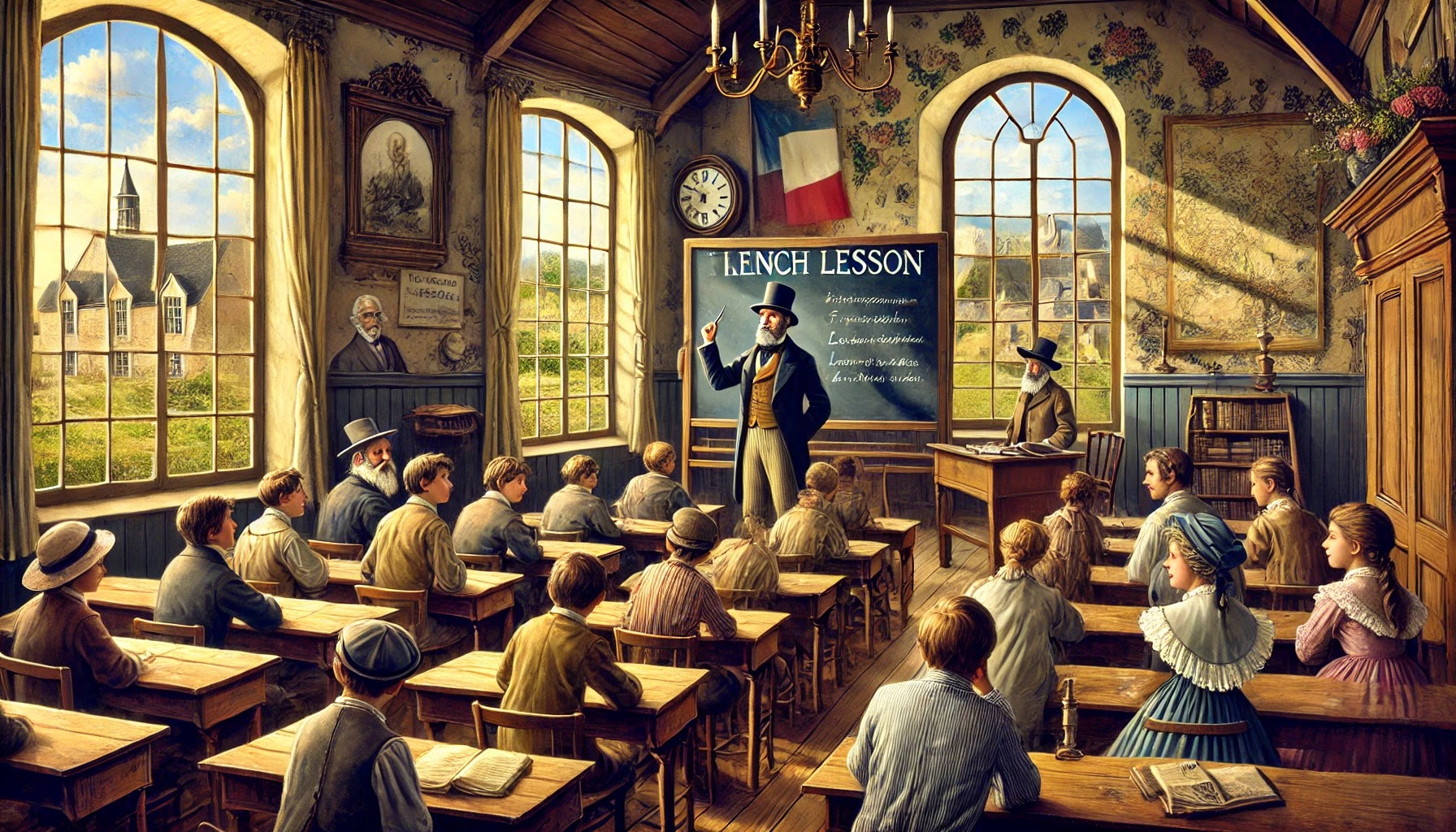
1. Why was Franz reluctant to go to school that day?
Answer: Franz was reluctant to go to school because he hadn’t prepared his lesson on participles, fearing scolding from his teacher. Additionally, the warm weather, the chirping of birds, and the sight of Prussian soldiers drilling outdoors tempted him to stay away.

2. Imagine you are Franz. Write two sentences expressing your emotions after hearing the last lesson announcement.
Answer: "I was overcome with regret and guilt for not valuing my French lessons. The thought that I would never hear Monsieur Hamel’s teaching again made me realize how precious the language was."

3. What does the villagers' presence in the classroom signify, and how can this situation apply to our appreciation of culture and language today?
Answer: The villagers' presence signifies their regret for neglecting their native language and their desire to honor it. This reflects the need to preserve linguistic heritage, especially in a globalized world where native languages are often overshadowed by dominant ones.

4. Do you think Monsieur Hamel's method of teaching the last lesson was effective? Why or why not?
Answer: Yes, Monsieur Hamel’s method was effective because he combined emotional appeal with a sense of urgency, making students and villagers reflect on their neglect of the French language. His sincerity and passion left a lasting impression.

5. Analyze the impact of the loss of language on the identity of a community as illustrated in the chapter.
Answer: The chapter demonstrates that language is intrinsic to a community’s identity. Losing the right to learn French threatened the villagers' cultural heritage, history, and connection to their land, creating a sense of loss and alienation.

6. What can be inferred about Franz’s character development through the story?
Answer: Franz evolves from a carefree and indifferent student to someone deeply remorseful and appreciative of his language and culture. His growing respect for Monsieur Hamel reflects his emotional and intellectual maturity.

7. What does the message on the blackboard, "Vive La France," symbolize in the context of the story?
Answer: "Vive La France" symbolizes patriotism and resistance against oppression. It reflects a collective yearning to preserve cultural identity and pride in being French, even under foreign rule.

8. Write a brief dialogue exchange between Franz and Monsieur Hamel reflecting their feelings at the end of the last lesson.
Answer:
Franz: "Monsieur, I’m sorry for not paying attention before. I didn’t realize how important French is to us."
Monsieur Hamel: "Franz, it’s never too late to love and honor your heritage. Carry our language in your heart."

9. At the end of his last lesson, M. Hamel decides to leave a little note for each of his students for them to find the next day at their desks. Based on your reading of the story, what might his note to Franz read?
Answer: M. Hamel's note to Franz might read:

Dear Franz,
remember that language is the soul of a nation. Cherish your heritage and embrace learning. You have the potential to achieve greatness. Though I leave, my hopes for your future remain. Keep striving and never forget your roots.

Yours,
M. Hamel.

Long Answer Type Questions


1. How does the chapter "The Last Lesson" emphasize the importance of valuing one’s language and culture? Relate this lesson to the modern context of globalization and cultural assimilation.

Answer:
The chapter underscores the significance of language as a cornerstone of cultural identity. Monsieur Hamel’s last lesson serves as a poignant reminder that neglecting one’s language can lead to a loss of cultural heritage and historical continuity. The regret felt by Franz and the villagers highlights the irreversible damage caused by indifference.

In today’s era of globalization, similar challenges arise as dominant languages like English overshadow native tongues. Cultural assimilation and migration often result in younger generations losing touch with their linguistic roots. For instance, indigenous languages around the world face extinction as communities adopt mainstream languages for economic reasons.

To address this, there is a growing need for educational policies that promote bilingualism and cultural diversity. Language preservation initiatives and increased awareness among youth can ensure that globalization does not erode linguistic heritage but enriches it.

2. Evaluate the role of education in shaping national identity as depicted in "The Last Lesson." How can students today contribute to preserving their cultural roots while embracing modern advancements?

Answer:
In "The Last Lesson," education is portrayed as a vital tool for fostering national pride and cultural identity. Monsieur Hamel’s lessons were more than grammar exercises—they were lessons in heritage, resilience, and the power of language in uniting people. The villagers’ regret for ignoring education underscores its role in safeguarding national identity.

In today’s interconnected world, students face the dual responsibility of embracing global advancements while preserving their cultural roots. Participating in cultural events, learning traditional art forms, and studying regional history can nurture a sense of belonging. Schools can play a pivotal role by incorporating local literature and languages into curricula.

Furthermore, technology can aid in preservation through digital archives, language-learning apps, and virtual cultural tours. Students can become cultural ambassadors, promoting their heritage through social media and creative projects. Balancing tradition with innovation ensures that cultural identities remain intact in an ever-changing world.


Poets and Pancakes (CBL)

Poets and Pancakes
Poets and Pancakes
Asokamitran
Characters & Events at a Glance
SN CHARACTER / EVENTS SIGNIFICANCE / TRAITS
1 Asokamitran Observer, witty, detached, insider's view
2 Make-up Department Artificiality, hierarchy, film-world reality
3 National Integration Regional diversity, unity in diversity
4 Office Boy Ambition, frustration, jealousy, unfulfilled dreams
5 Kothamangalam Subbu Creative, loyal, versatile, generous, resourceful
6 The Boss Authority, power, influence, studio hierarchy
7 Legal Adviser Clever, intrusive, misjudgement, satire
8 Actress Episode Anger, recording, humiliation, consequences
9 MRA Visit Theatre, professionalism, cultural influence
10 MRA & Communism Politics, anti-communism, ideological conflict
11 Stephen Spender Poet, Englishman, language gap, mystery
12 Englishman's Speech Unfamiliar accent, confusion, communication failure
13 The Encounter Magazine, Spender, discovery, mystery resolved
14 The God That Failed Communism, disillusionment, political-literary link
15 Final Discovery Retrospection, connection, revelation
Short Answer Questions
SAQ 1 How was there a great deal of national integration in the make-up department?
Answer The make-up department included people from different regions and communities: a Bengali, a Maharashtrian, a Dharwar Kannadiga, an Andhra, a Madras Indian Christian, an Anglo-Burmese and local Tamils. Their harmonious cooperation represented unity in diversity, which the author humorously calls national integration.
SAQ 2 Why was Kothamangalam Subbu considered No. 2 in Gemini Studios?
Answer Subbu was the Boss's trusted right-hand man because of his loyalty, creativity and versatility. He could quickly offer several solutions to filmmaking problems and was also a poet, actor and writer. His cheerful nature and ability to use his talents for the Boss made him indispensable.
SAQ 3 What caused the lack of communication between the Englishman and the people at Gemini Studios?
Answer The Englishman, Stephen Spender, spoke in English with an unfamiliar accent to a predominantly Tamil-speaking audience. The audience was unfamiliar with his subject and could not understand his speech properly. The linguistic and cultural gap therefore prevented meaningful communication.
SAQ 4 Why is the Englishman's visit referred to as an unexplained mystery?
Answer Nobody at Gemini Studios knew who the Englishman was or why he had been invited. His talk on English poetry seemed unrelated to the Tamil film audience. Even his audience and the visitor himself appeared baffled, making his visit an unexplained mystery.
SAQ 5 What does ‘The God That Failed’ refer to, and why did the book become significant to Asokamitran?
Answer The God That Failed was a collection of six essays by writers who described their initial attraction to Communism and subsequent disillusionment with it. Asokamitran discovered Stephen Spender's connection with the book years later and finally understood the relevance of Spender's mysterious visit to Gemini Studios.
SAQ 6 How did the author discover that the British visitor, Stephen Spender, was the editor of The Encounter?
Answer Years after Spender's visit, Asokamitran came across the magazine The Encounter while browsing in the British Council Library. He noticed Stephen Spender's name as its editor and immediately connected him with the English poet who had visited Gemini Studios.
SAQ 7 How does the description of the make-up department reveal the author's characteristic humour and irony?
Answer The author describes the make-up department as an example of “national integration” while humorously describing its workers as capable of turning attractive people into “hideous” figures. This contrast creates irony. His exaggeration, informal observations and playful language make an ordinary workplace episode amusing.
SAQ 8 Why does the author describe the office boy as being in his early forties despite calling him an “office boy”? What does this reveal?
Answer The description is deliberately ironic. The man was no longer young, yet his low position continued to be identified by the title “office boy”. His unfulfilled ambitions and years of frustration reveal the gap between his youthful dreams and his actual position in the studio.
SAQ 9 “Subbu was tailor-made for films.” Explain how this statement captures his personality and professional abilities.
Answer Subbu possessed qualities suited to the unpredictable demands of filmmaking. He was creative, cheerful, resourceful and capable of generating several alternatives when a scene failed. He was also a poet, actor and writer. His versatility enabled him to solve problems and make filmmaking easier for the Boss.
SAQ 10 Why does Asokamitran's discovery of Stephen Spender's identity years later add significance to the ending of the chapter?
Answer The discovery resolves a mystery that had remained unexplained at Gemini Studios. When Asokamitran learns that Spender edited The Encounter and contributed to The God That Failed, the apparently meaningless visit becomes understandable. The episode also shows how seemingly unrelated events may acquire meaning with time.
Long Answer Questions
LAQ 1 How do the peddler from The Rattrap and the office boy from Poets and Pancakes compare in terms of their frustration, status, and grudges against others?
Answer

The peddler and the office boy are both dissatisfied with their positions, but their circumstances and responses to frustration are different. The peddler is a poor, homeless vagabond who survives by selling rattraps and begging. His poverty and rejection by society make him cynical. He develops the belief that the world itself is a rattrap and takes satisfaction in seeing others trapped by their desires. His bitterness eventually leads him towards theft and dishonest behaviour. The office boy, on the other hand, is frustrated by his unfulfilled ambitions at Gemini Studios. Though he has spent years there, he remains in a low position and dreams of becoming an actor, writer, director or lyricist.

Both characters feel that life has denied them the status and opportunities they deserve. The office boy particularly resents Kothamangalam Subbu because Subbu enjoys the Boss's confidence and appears to have achieved the success he himself desires. However, unlike the peddler, he does not turn to crime. Thus, both represent frustration and social marginalisation, but their responses to disappointment differ significantly.

LAQ 2 “Poets and Pancakes” is not merely a description of Gemini Studios; it is a humorous and satirical observation of human behaviour. Discuss with reference to the characters and episodes in the chapter.
Answer

Asokamitran uses Gemini Studios as a setting to present a humorous and satirical picture of human behaviour. His description of the make-up department is amusing because a large number of workers from different regions are presented as an example of “national integration”, while their actual task is to cover actors with layers of make-up. The office boy is another source of gentle satire. Although he is in his forties, he continues to occupy a low position and remains frustrated because his ambitions of becoming an actor, writer, director or lyricist have not been fulfilled. His resentment towards Subbu reveals jealousy and dissatisfaction.

Subbu himself is presented with affectionate irony. He is exceptionally talented, cheerful and resourceful, but his closeness to the Boss makes others dislike him. The legal adviser, the visit of the MRA group and the mysterious appearance of Stephen Spender provide further opportunities for humour. The author also satirises the cultural and political misunderstandings surrounding the Englishman's visit. Through simple language, irony, exaggeration and sharp observation, Asokamitran exposes ambition, jealousy, hierarchy, pretension and confusion while maintaining a light and entertaining tone.

GOING PLACES (CBL)

Going Places by A.R. Barton
CBSE English Core
Class XII • Flamingo
Going Places
By A.R. Barton

A study of dreams, ambition, fantasy, reality and the limitations imposed by social and economic circumstances.

QUICK OVERVIEW At a Glance
Chapter
Going Places
Writer
A.R. Barton
Book
Flamingo
Central Focus
Dreams vs Reality
LEARNING / REVISION MAP Navigate the Resource
LOOKING BENEATH THE SURFACE Understanding the Chapter

Dreams versus Reality

Sophie is imaginative and ambitious, but her dreams are often disconnected from the social and economic reality of her family. Her fascination with Danny Casey takes her further into a world of fantasy where she imagines possibilities beyond her actual circumstances.

Sophie and the World Around Her

Sophie’s family represents the practical world that surrounds her. Jansie understands their limitations, Geoff listens to her dreams, and her father remains sceptical of her unrealistic ideas. The contrast makes Sophie’s imaginative world more striking.

A. CHARACTERS AT A GLANCE
S.No. Character Traits / Personality Significance in the Chapter
1 Sophie Dreamer, ambitious, imaginative, romantic, unrealistic, escapist, attention-seeking Represents dreams versus reality, central to the Danny Casey episode
2 Geoff Quiet, reserved, mature, practical, sympathetic, realistic Represents the unknown outside world, listens to her dreams
3 Jansie Practical, realistic, sensible, curious, outspoken, down-to-earth Voice of reality, contrasts with Sophie’s fantasies, knows their limited circumstances
4 Sophie’s Father Plump face, thick neck, hard-working, practical, rough, aggressive, football-loving, skeptical Represents Sophie’s real world, challenges her fantasies, strongly interested in football
5 Sophie’s Mother Hard-working, tired, responsible, family-oriented Represents the hard domestic reality of the family, contrasts with Sophie’s glamorous dreams
6 Little Derek Young, playful, observant, teasing, innocent Adds a child’s perspective, lightly mocks Sophie’s exaggerated dreams
7 Danny Casey Green eyes, talented, young, famous, gifted footballer, admired, mysterious Object of Sophie’s admiration and fantasy, symbolises fame, glamour and the world beyond her reach
B. MAJOR SCENES & SIGNIFICANCE
S.No. Scene / Episode Key Events Significance
1 Sophie & Jansie — Opening Scene Sophie talks about boutique, manager, actress, fashion designer Dreams, ambition, imagination, escapism, Jansie’s realism
2 Sophie Reaches Home Sophie enters the modest home, meets family members Working-class background, family setting, dreams vs reality
3 Family & Football Father, Geoff and Derek discuss football, Danny Casey becomes the focus Father’s football interest, family bonding, Casey’s importance
4 Sophie & Geoff — Danny Casey Story Sophie tells Geoff that she met Casey in the arcade Trust, sibling relationship, fantasy presented as fact, Geoff’s doubt
5 Family Reaction to Sophie’s Story Father becomes interested, Sophie’s story is discussed by the family Desire for attention, father’s scepticism, credibility of Sophie’s claim
6 Sophie Describes the Arcade Meeting Sophie gives details of seeing and speaking to Casey Imagination, hero worship, romantic fantasy, blurred reality
7 Sophie Waits at the Canal Sophie goes to the canal expecting Casey to meet her Hope, anticipation, loneliness, escapism, fantasy vs reality
8 Casey Does Not Come Sophie waits, imagines his arrival, but he does not appear Disappointment, collapse of fantasy, gradual acceptance of reality
9 Danny Casey Seen Again at the Match — Ending Sophie sees Casey playing in the football match, she recognises him but does not approach him Reality of Casey vs imagined relationship, lasting fascination, unresolved longing, irony, ambiguous ending
C. SHORT ANSWER TYPE QUESTIONS
SAQ 1 ‘Resignation was no sudden thing.’ What is the implication of this remark in the context of Sophie’s character? [CBSE 2024]
Answer Sophie had been living in a world of dreams and had strongly believed that Danny Casey would come to meet her. As she waited at the canal and time passed, doubts slowly entered her mind. Her disappointment gradually made her accept that Danny would not come. Thus, her resignation was a slow process rather than a sudden change.
SAQ 2 What inference can you draw about Sophie’s relationship with her father from the story ‘Going Places’?
Answer Sophie and her father do not share a close emotional relationship. He is practical and does not take her dreams and stories seriously. When he hears about Danny Casey, he calls it another of her wild stories. Sophie therefore feels uncomfortable in his presence and turns to Geoff, with whom she feels more comfortable.
SAQ 3 Bring out the contrast between Jansie and Sophie in the story ‘Going Places’.
Answer Jansie is practical and understands the limitations of their family background. She knows that they are likely to work in the biscuit factory. Sophie, on the other hand, is imaginative and dreams of a boutique, a successful career and a glamorous life. Jansie accepts reality, whereas Sophie often escapes from it through her dreams.
SAQ 4 “One of these days you’re going to talk yourself into a load of trouble.” What do you learn about Sophie’s father from these words? [CBSE 2025]
Answer Sophie’s father is a practical and straightforward man. He does not encourage her habit of creating stories or dreaming beyond her circumstances. His warning shows that he knows Sophie often talks without thinking about the truth or consequences. His aggressive tone also suggests that he has little patience with her unrealistic ideas.
SAQ 5 “Christ, Sophie, you’re still at school.” What image do you form of Geoff as a brother? [CBSE 2025]
Answer Geoff appears to be a mature and practical elder brother. He does not easily believe Sophie’s stories, but he listens to her and does not openly ridicule her. Sophie trusts him with her secrets because she feels that he understands her better than the others. His attitude is therefore both realistic and caring.
SAQ 6 How does Sophie plan to get the kind of money she wants for her boutique? What does this reveal about her character? [CBSE 2025]
Answer Sophie has no clear or practical plan for earning the money needed for her boutique. She first thinks of becoming a manager and later considers becoming an actress or fashion designer because she believes these professions will bring money. This reveals that she is ambitious and imaginative, but her dreams are not supported by realistic planning.
SAQ 7 Why was Sophie jealous of Geoff’s silence? What does this reveal about her feelings for him?
Answer Sophie was jealous because Geoff spoke very little and seemed to have a private world of his own. She imagined that when he was silent, he was thinking about distant places and experiences that she did not know about. His mysterious nature attracted her, and she wanted to share that unknown world with him.
SAQ 8 Why does Sophie tell Geoff about her meeting with Danny Casey? What does this reveal about their relationship?
Answer Sophie tells Geoff because she trusts him more than the other members of her family. She wants him to listen to her and perhaps believe her unusual story. Geoff is also interested in football, so she feels that he will understand her excitement about Danny Casey. This shows the quiet emotional bond between them.
SAQ 9 What does the canal episode reveal about Sophie’s state of mind?
Answer The canal episode shows how deeply Sophie is absorbed in her fantasy. She waits for Danny Casey even though there is no real assurance that he will come. While waiting, she imagines his arrival and the excitement of meeting him. The episode shows her difficulty in separating her imagined world from reality.
SAQ 10 How does the description of Sophie’s family and home strengthen the central idea of the story?
Answer Sophie lives in a modest working-class family where money is limited and life is hard. Her father works with his hands, her mother manages a difficult household and the family lives in a cramped setting. Against this background, Sophie dreams of wealth, fashion and fame. The contrast makes her dreams appear far removed from her actual life.
D. LONG ANSWER TYPE QUESTIONS
Q1 Sophie in ‘Going Places’ and Mukesh in ‘Lost Spring’ aspire for a better life, yet external forces shape their realities and opportunities. Discuss. [CBSE 2026]
Answer Sophie and Mukesh both want a life different from the one they have been born into. Sophie belongs to a poor working-class family. She dreams of opening a boutique and also thinks of becoming an actress or a fashion designer. She is attracted to the glamorous world of Danny Casey and imagines that she can enter such a world. However, her family background and lack of money make these dreams difficult. More importantly, Sophie mostly lives in her imagination rather than taking practical steps towards her goals.

Mukesh also comes from a poor family, but his dream is more practical. He belongs to a family of bangle makers in Firozabad, where poverty and tradition keep children tied to the same occupation. Despite these difficulties, Mukesh wants to become a motor mechanic and learn to drive a car. He is willing to move away from the family occupation.

Thus, both face limitations because of their social and economic conditions. However, Sophie mainly seeks escape through fantasy, while Mukesh tries to turn his dream into a possible future through determination and action.

Q2 “Sophie is an escapist and a dreamer.” Discuss how her dreams and fantasies affect her understanding of reality in ‘Going Places’.
Answer Sophie is a young girl with many dreams. She wants to escape the ordinary life that surrounds her. She imagines owning a boutique and considers becoming a manager, actress or fashion designer. These ambitions are not supported by any clear plan, but they provide her with a world that is more exciting than her real life. Her fascination with Danny Casey takes this tendency even further. She imagines meeting him, speaking to him and arranging another meeting with him.

Sophie becomes so involved in this imagined meeting that she actually goes to the canal and waits for Danny. She continues to hope even when there is no sign of him. As time passes, doubt begins to enter her mind, and she slowly realises that he is not coming. Her sadness at the end shows the painful effect of her fantasy.

Through Sophie, the writer presents the tendency of young people to dream beyond their circumstances. Dreams can give hope and excitement, but when they become disconnected from reality, they can also lead to disappointment.

QUICK REVISION Keyword → Meaning
Sophie
Dreamer, ambitious, imaginative, romantic and unrealistic.
Jansie
Practical and realistic; represents the voice of reality.
Geoff
Mature, quiet and sympathetic; Sophie trusts him.
Danny Casey
Represents fame, glamour and the world beyond Sophie’s reach.
Canal episode
Reveals Sophie’s deep involvement in fantasy and her difficulty separating imagination from reality.
Family
Represents Sophie’s working-class reality and economic limitations.
Dreams
Provide hope and excitement but may cause disappointment when disconnected from reality.
Central contrast
Sophie’s imagined world versus the practical reality of her life.
FINAL TAKEAWAY Remember These

Going Places — Core Understanding

  1. Sophie is imaginative, ambitious and strongly inclined towards dreaming beyond her circumstances.
  2. Jansie represents practicality and acts as a contrast to Sophie’s fantasies.
  3. Geoff is the family member with whom Sophie shares her dreams and secrets.
  4. Danny Casey becomes the central object of Sophie’s admiration and fantasy.
  5. The canal episode exposes Sophie’s difficulty in separating imagination from reality.
  6. Sophie’s family and home establish the economic and social reality against which her dreams are placed.
  7. The chapter explores dreams, ambition, escapism, fantasy, reality and the limitations imposed by circumstances.

MEMORIES OF CHILDHOOD (CBL)

Memories of Childhood — Zitkala-Sa and Bama
CBSE English Core
Class XII • English

MEMORIES OF CHILDHOOD

by Zitkala-Sa & Bama

Two childhood experiences that reveal the struggle against cultural oppression, caste discrimination, loss of identity and social injustice.

QUICK OVERVIEW At a Glance

Text
Memories of Childhood
Writers
Zitkala-Sa & Bama
Part I
Cutting of My Long Hair
Part II
We Too Are Human Beings

LEARNING / REVISION MAP Navigate the Resource

LOOKING BENEATH THE SURFACE Background

01 • Zitkala-Sa

Understanding the Historical Context

Zitkala-Sa (1876–1938) was a Native American writer, musician and activist who spoke for the rights and cultural identity of Indigenous Americans.

In the late nineteenth and early twentieth centuries, the American government and several institutions established Native American boarding schools with the stated aim of educating and “civilising” Indigenous children. The deeper policy was assimilation—removing children from the influence of their families and communities and making them adopt mainstream Euro-American culture. Children were often given new clothes and names, taught English, subjected to strict discipline, and discouraged or punished for following their own languages, customs and traditions. Hair was forcibly cut in many such schools.

This background is essential to understand Zitkala-Sa's reaction. To a modern student, cutting someone's hair may appear like a small matter. But for Zitkala-Sa, it was not merely a haircut. Her long hair was connected with the identity and traditions of her people. Therefore, forcibly cutting it was an attempt to make her look and behave according to another culture. Her resistance was consequently a resistance to cultural erasure and loss of identity, not simply resistance to a change in appearance.

Key understanding: Her resistance was consequently a resistance to cultural erasure and loss of identity, not simply resistance to a change in appearance.
02 • Bama

Understanding the Social Context

Bama is the pen name of a Tamil Dalit writer whose autobiographical writing gives voice to the experiences of communities subjected to caste discrimination. Her work Karukku, draws upon her childhood experiences in Tamil Nadu.

To understand Bama's experience, students need to understand the social reality of caste-based untouchability that existed—and in some places continued to exist—in everyday life. Dalits were historically treated as socially inferior by dominant castes. Discrimination could extend to ordinary activities such as sharing food, entering spaces, receiving services and even physical contact. The idea of “pollution” through touch was used to justify humiliating practices.

This explains why the incident Bama initially finds amusing is actually disturbing. The elderly man carrying the food packet by its string is maintaining physical distance because his touch could “pollute” the food or the person receiving it. Bama's laughter changes into shock and anger when she understands the meaning behind what she has witnessed. Her experience represents a child's awakening to a social injustice that had been made to appear normal. Her brother's advice to study and progress through education gives her a constructive way to resist this discrimination.

Key understanding: Her experience represents a child's awakening to a social injustice that had been made to appear normal.
I

“Cutting of My Long Hair” by Zitkala-Sa

SHORT ANSWER TYPE QUESTIONS
1
Describe the significance of long hair to Zitkala-Sa and her community.
Answer For Zitkala-Sa and her community, long hair symbolizes identity, pride, and cultural heritage. The forced cutting of her hair represents a loss of identity and the imposition of alien cultural values, which strips her of her personal and cultural autonomy.
2
“I will struggle first.” What emotion and character trait of Zitkala-Sa are revealed in this response? CBSE 2025
Answer The statement reveals Zitkala-Sa’s courage, determination and strong sense of self-respect. She refuses to accept the forced cutting of her hair quietly and chooses resistance despite knowing that the authorities are more powerful than her.
3
What does Zitkala-Sa mean by “eating by formula”? What does this detail reveal about the school environment? CBSE 2024
Answer “Eating by formula” refers to the rigid rules governing every action during meals. The students had to respond to bells and follow fixed procedures. This reveals the highly controlled environment in which individuality and freedom were suppressed.
4
How does the experience at the boarding school become more than a personal humiliation for Zitkala-Sa?
Answer The experience represents the systematic suppression of Native American identity. Her hair, clothing, food habits and behaviour are controlled by the institution. Her personal humiliation therefore becomes a symbol of cultural domination and loss of identity.
5
How does Zitkala-Sa’s later success demonstrate that the oppression she experienced did not destroy her spirit? CBSE 2025
Answer Although the boarding school humiliated her and attempted to suppress her cultural identity, Zitkala-Sa later used education and writing to assert herself. She became a writer and activist. Her achievements show that oppression could wound her but could not permanently silence her.
II

We Too Are Human Beings — Bama

SHORT ANSWER TYPE QUESTIONS
6
What does Bama’s decision to excel in academics reveal about her character? CBSE 2026
Answer Bama’s decision reveals determination, self-respect and a strong desire to overcome discrimination. Instead of remaining helpless after learning about caste oppression, she accepts Annan’s advice and chooses education as a means of gaining dignity and social recognition.
7
How was Annan instrumental in Bama achieving success in life? CBSE 2025
Answer Annan explained the caste-based discrimination suffered by their community and advised Bama to study hard and progress. His guidance transformed her anger into determination. She took his advice seriously and worked hard to achieve academic success and dignity.
8
What inference can be drawn from Bama’s initial amusement at the elderly man carrying the packet?
Answer Her amusement reflects her childhood innocence and lack of awareness about untouchability. She sees only the unusual manner in which the packet is carried. Annan’s explanation later changes her understanding and exposes the cruelty hidden behind the apparently amusing scene.
9
Why did the landlord’s man ask Bama’s brother which street he lived on? CBSE 2023
Answer The landlord’s man wanted to identify Annan’s caste through his residential location. In the village, different communities lived in particular streets, so knowing the street could reveal a person’s caste identity. The incident exposes the deeply rooted nature of caste discrimination.
10
What do the sights of the marketplace reveal about Bama before she becomes aware of caste discrimination? CBSE 2019
Answer The marketplace reveals Bama as an observant, curious and innocent child. She enjoys the performances, shops, temple activities, food stalls and unusual sights around her. Her leisurely observation of village life shows her natural curiosity before she encounters the harsh reality of caste discrimination.

Long Answer Type Questions

Q1
How does Zitkala-Sa use her childhood experience at the boarding school to expose the psychological effects of forced cultural assimilation?
Answer

Zitkala-Sa’s experience at the boarding school exposes how forced cultural assimilation can damage a child’s sense of identity and dignity. From the beginning, she feels alienated because her traditional clothes and moccasins are removed and replaced by unfamiliar Western dress. The strict dining rules further suppress her freedom and individuality. She feels as though she is being treated like an object rather than a person.

The cutting of her long hair becomes the most painful experience. In her culture, shingled hair is associated with cowards, mourners and defeated people. Therefore, its forced removal becomes an attack on her cultural identity. She hides under a bed and struggles physically, but the authorities overpower her and cut her hair. The experience leaves her feeling abandoned and spiritually defeated. Through this first-person account, Zitkala-Sa shows that cultural domination does not merely change outward appearance; it can create fear, humiliation and psychological trauma. Her later life, however, demonstrates that such oppression can also become the source of resistance and self-assertion.

Q2
How does Bama’s narrative move from childhood innocence to social awareness and finally to determination? Discuss with reference to We Too Are Human Beings.
Answer

Bama’s narrative begins with the innocence and curiosity of a young child. While returning from school, she enjoys the sights and activities of the marketplace and takes pleasure in observing unusual events. The elderly man carrying a food packet by its string initially appears amusing to her. She does not understand why he behaves in such a strange manner.

Her innocence disappears when Annan explains that the man belongs to a community considered “untouchable” and therefore avoids touching the packet meant for an upper-caste landlord. Bama is shocked and angry when she understands the humiliation behind the incident. She questions the injustice of people being treated as inferior simply because of their birth.

Annan then gives her a constructive direction. He tells her that education and progress can help them gain dignity and respect. Bama takes his advice seriously and works hard in her studies. Thus, the narrative traces her movement from innocence to awareness and from anger to purposeful determination. Her personal experience becomes a source of strength and a rejection of caste-based inequality.

Q3
“It may take a long time for oppression to be resisted, but the seeds of rebellion are sown early in life.” Justify the statement with reference to both Bama and Zitkala-Sa. CBSE 2026
Answer

The childhood experiences of Zitkala-Sa and Bama show that awareness of injustice can become the beginning of resistance. Zitkala-Sa experiences cultural oppression when she is forced to follow unfamiliar customs at the boarding school. Her strongest protest comes when she learns that her long hair will be cut. She hides under a bed and struggles against the women who drag her out. Although she is physically overpowered, her resistance reveals that the desire to protect her identity has already begun.

Bama’s awakening comes through the incident involving the elderly man carrying the food packet by its string. At first she finds the scene amusing, but Annan’s explanation makes her understand the cruelty of untouchability. Her initial anger gradually becomes determination when Annan advises her to study and progress. She chooses education as a means of gaining dignity.

Thus, both narratives show that oppression may begin in childhood, but so can resistance. Their early experiences become the foundation for their later assertion of identity, dignity and equality.

Q3
Imagine Mahatma Gandhi, while Zitkala-Sa and Bama are still children facing the discrimination described in Memories of Childhood, learns about their experiences. He writes a letter to both of them advising them on how they should respond to the oppression they are facing. Draft the letter, drawing upon Gandhi’s approach to resistance in Indigo and the experiences of Zitkala-Sa and Bama.
Answer

Dear Zitkala-Sa and Bama,

I have learnt about the injustice you have experienced and the courage with which you have resisted it. Your anger is justified, but rebellion becomes truly powerful when it is guided by courage, discipline and a clear purpose.

Zitkala-Sa, your resistance to the forced cutting of your hair shows your determination to protect your cultural identity. Continue to resist the erasure of your traditions, but use your voice, education and writing to make others understand the injustice faced by your people. Bama, your anger against caste discrimination is equally meaningful. Do not accept humiliation as your destiny. Follow your brother’s advice: study hard, gain knowledge and use your achievements to challenge the prejudices that keep people divided.

Remember that true resistance does not always require violence. In Champaran, I opposed injustice through truth, courage, non-violence and peaceful resistance. I stood firm without hatred and encouraged the oppressed to overcome fear. You too can turn your personal suffering into a larger struggle for dignity and equality.

Let your resistance educate others, unite your people and challenge injustice without surrendering your humanity.

Yours sincerely,

M. K. Gandhi

QUICK REVISION Keyword → Meaning

Long hair
Identity, pride and cultural heritage.
Forced cutting
Loss of identity and imposition of alien cultural values.
Assimilation
Pressure to adopt mainstream Euro-American culture.
Eating by formula
Rigid rules, fixed procedures and suppression of individuality.
Bama's amusement
Childhood innocence and lack of awareness about untouchability.
Food packet by its string
A visible example of the humiliation caused by caste prejudice.
Annan's advice
Study, progress and gain dignity through education.
Resistance
Assertion of identity, dignity and equality.

FINAL TAKEAWAY Remember These

Core Understanding of Text

  1. Zitkala-Sa’s long hair is connected with her identity, pride and cultural heritage.
  2. The forced cutting of her hair represents cultural domination and loss of identity.
  3. The boarding-school experience reveals the psychological effects of forced cultural assimilation.
  4. Bama’s experience exposes the humiliating reality of caste-based discrimination and untouchability.
  5. Bama moves from childhood innocence to social awareness and then to purposeful determination.
  6. Annan directs Bama towards education and progress as a means of gaining dignity and social recognition.
  7. Both childhood experiences become foundations for the later assertion of identity, dignity and equality.